Phoenix · Scottsdale · Tempe · Mesa · West Valley

Find the slab leak before anyone breaks concrete

A warm spot on the tile, a water bill that jumped, the sound of water with every tap off. We locate leaks under Phoenix slab foundations with acoustic and thermal equipment, then walk you through the repair that fits your house.

  • Non-invasive detection
  • Written findings for your insurer
  • Repair options priced before work

Phoenix, Scottsdale, the East Valley and the West Valley. Mon–Sat, 7am–6pm.

Book leak detection

Tell us what you’re noticing. We’ll call back to set a time.

Or call (602) 555-0147

Got it, thank you.

We’ll call to set a time. If water is coming up now, call (602) 555-0147

How a slab leak is found

What’s under your floor

Most Phoenix houses are built on a concrete slab with the water lines running beneath it. A leak down there shows up as a clue on the surface. Here’s how it’s traced back to one spot.

A single-story Valley tract home, seen from above

Swipe to see the whole floor plan.

Floor plan of a slab-on-grade house with a hidden hot-water leak From the surface, only a faintly warm patch of tile in the great room. Through a thermal camera, a heat bloom spreads from one point in the floor. Under the slab, the cold line runs from the street meter to the garage water heater, and the hot line runs from the heater across the house; the leak is on the hot line beneath the great room. street THERMAL · FLOOR coolwarm Bedroom Garage Kitchen Dining Great room Laundry Primary bedroom Bath Bath Bedroom Tile feels warm here. Grout a shade darker. WH water meter water heater pinhole in the hotline, under the tile cold line hot line
  1. What you see

    A clue, not a leak

    A hot-water leak warms the slab above it. Barefoot, you feel it before you see anything. Sometimes the only sign is the bill.

  2. Thermal camera

    The heat has a centre

    Thermal imaging shows where the floor is warmest. Acoustic listening on the slab confirms the sound of water escaping at that point.

  3. Under the slab

    One spot on one line

    Knowing which line and where is what decides the repair: open the floor at that spot, or route around it.

Water meter face with the small leak indicator spinning GALLONS 04827

The small triangle (or star, or dial) is the leak indicator. It turns when any water is moving.

Do this before you call anyone

The ten-minute meter test

It won’t tell you where a leak is. It tells you whether there is one.

  1. Turn everything off

    Every tap, the dishwasher, the washer. Don’t run the ice maker.

  2. Find the meter

    Usually in a concrete box near the curb or sidewalk. Lift the lid carefully; in summer, check for scorpions.

  3. Watch the leak indicator

    If it’s moving with nothing on, water is leaving the house somewhere.

  4. Close the house shut-off and look again

    If it stops, the leak is inside the house, which is where slab leaks live. If it keeps turning, the leak is on the line between the meter and the house.

Phoenix false alarms. Rule these out first: a pool auto-fill topping up, a drip irrigation timer, a water softener regenerating, an evaporative cooler float valve. Any of them will spin the meter with the taps off.
Symptoms

What a slab leak looks like from upstairs

There’s no upstairs. That’s the point: in a slab house the plumbing is under your feet, and it tells you in these ways.

A warm spot on the floor

Tile or wood that’s warmer in one patch, often noticed barefoot.

Usually a hot-water line under the slab: slab leak detection

A bill that jumped

Higher usage with no new pool, guests or landscaping to explain it.

Could be any line. If the meter spins with the house shut off: main line repair

Water running with every tap off

A faint hiss in a quiet house, often loudest near one wall or floor.

A pressurised line leaking steadily: find it first

Water heater never stops

It keeps firing or cycling even when nobody’s used hot water.

Hot water leaking out as fast as it heats: spot repair or reroute

Damp carpet or swollen baseboard

Moisture wicking up where nothing has spilled.

Water rising through the slab: slab leak repair

Sewer smell or damp after showers

Dampness or odour that only shows up when water is being used.

A drain line, not a supply line: under-slab drain repair

After it’s found

Three ways to fix it, and how to choose

The right repair depends on where the leak is, how old the pipe is, and how much floor you’re willing to lift. You’ll see the options, priced, before any work starts.

Epoxy pipe lining is also sold in the Valley. If a contractor proposes it, ask how the pipe is cleaned first and what happens at the fittings.

Why here

Why Phoenix slabs leak

The pipe under your floor sits in some of the hardest conditions in the country: hard water on the inside, hot, shifting ground on the outside.
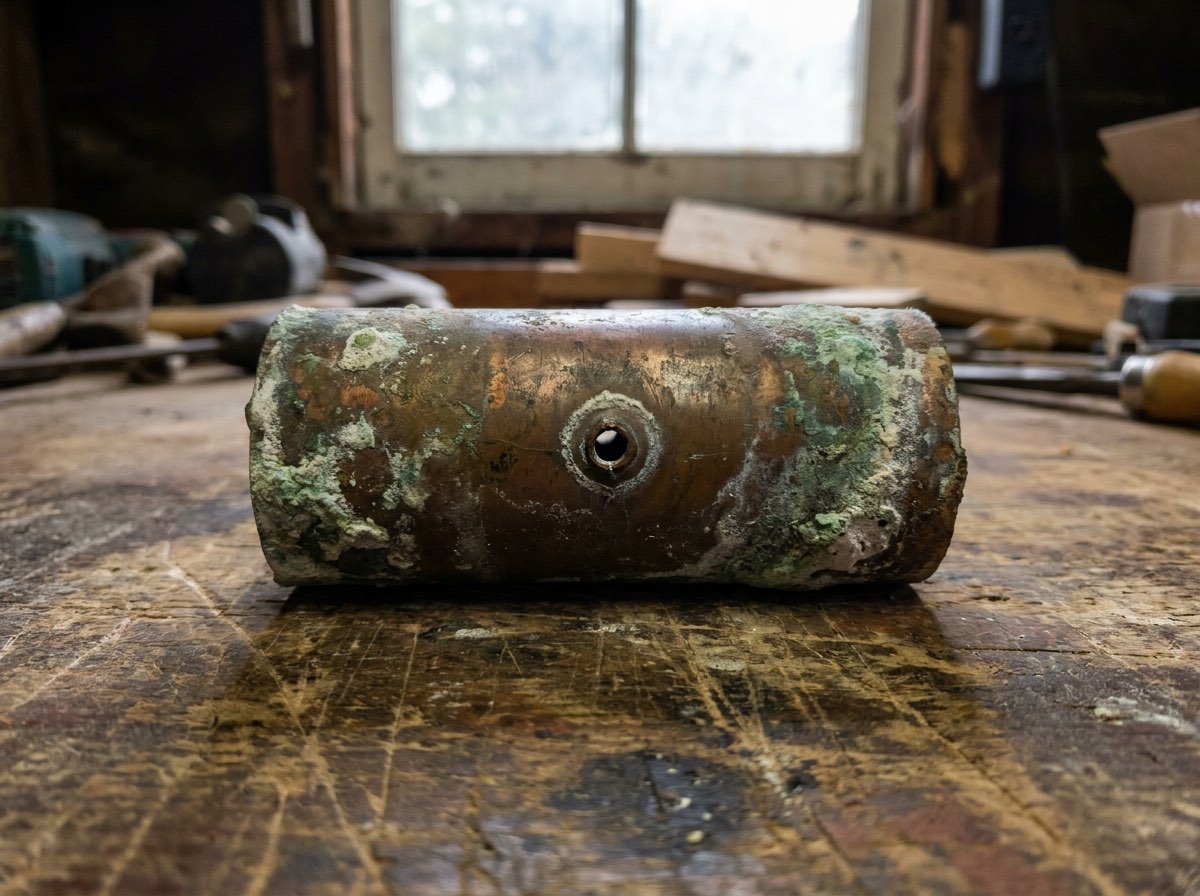
Section of old copper pipe cut from under a slab, with green-white mineral scale and a pinhole
Hard water

Minerals inside the pipe

Most Valley cities deliver hard water, commonly in the 10 to 20 grains-per-gallon range depending on the source. Over years it scales and wears copper from the inside, which is where pinholes start.

Clay + caliche

Ground that moves

Parts of the Valley sit on expansive clay and hard caliche layers. Soil that shifts with moisture puts stress on pipes locked in concrete.

Heat

Pipes that flex

Hot-water lines expand and contract every time they run, and in summer the whole slab heats up. Where a pipe rubs concrete or rebar, it wears through.

1970s–90s

Copper under the slab

Much of the Valley’s housing from these decades was plumbed in copper beneath the foundation, and that pipe is now decades into service.
The visit

How leak detection works

Finding it is a separate step from fixing it, and it should be.

  1. Confirm there’s a leak

    Meter and pressure tests show whether water is escaping, and whether it’s on the hot side, the cold side or both.

  2. Trace the line

    We map where the pipes run under the slab, from the meter and the water heater outward.

  3. Pinpoint the spot

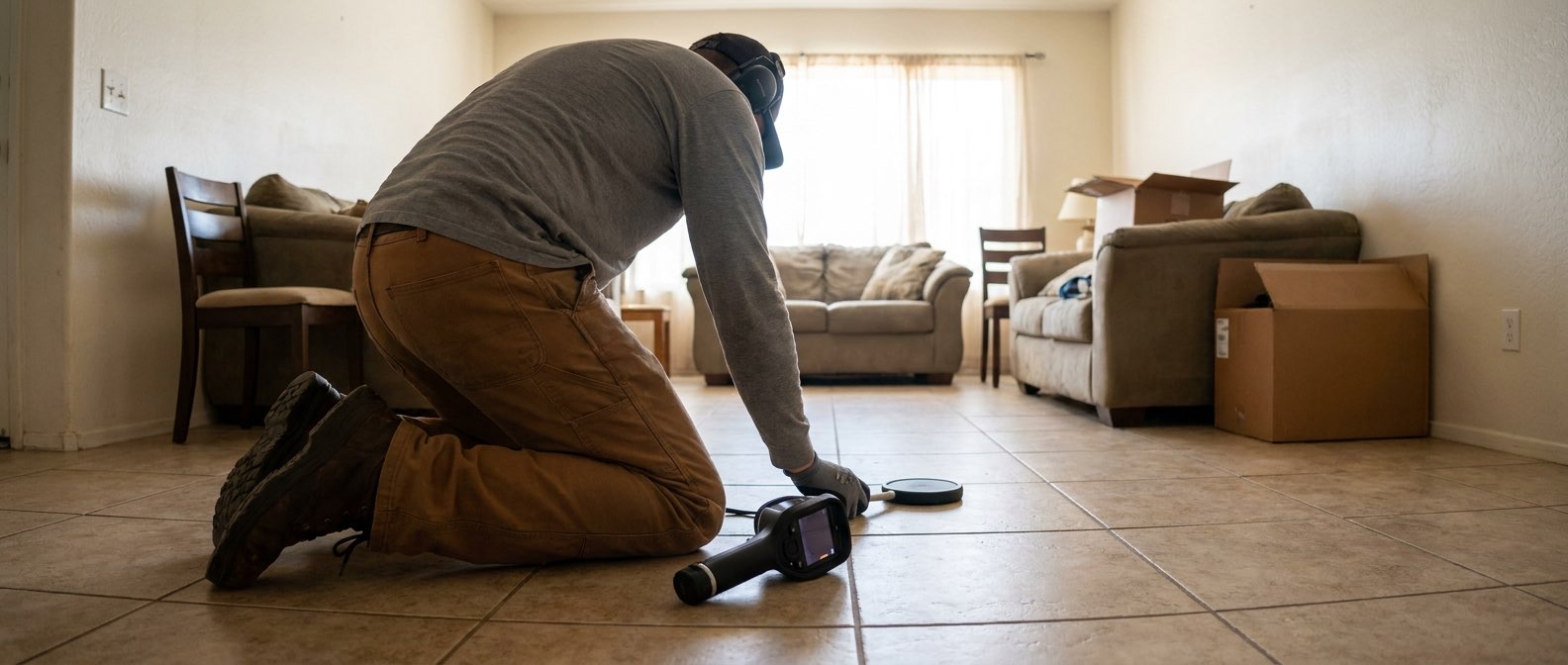
    Acoustic listening and thermal imaging narrow it to one area of floor, marked for you.

  4. Written findings

    Where it is, how it was found, and the repair options with prices, in writing for you and your insurer.

Technician kneeling on a tile floor with acoustic listening equipment and headphones, a thermal camera on the floor beside him
Cost

What it usually costs

Detection and repair are priced separately, and the repair depends on what detection finds. Typical Valley ranges:

Approximate ranges for a typical single-story Valley home, not a quote. Flooring replacement is extra. Your price is set in writing after detection.

Insurance

Will insurance pay for it?

Often part of it. It depends on your policy, so read yours, but claims usually split like this:

Often covered

  • Opening the floor to reach the pipe
  • Water damage to flooring, walls, cabinets
  • Putting the floor back

Often not covered

  • The pipe repair itself
  • Slow leaks the policy calls wear and tear
  • Damage from a leak left unreported

General guide only, not advice about your policy. Written detection findings help any claim.

Service area

Across the Valley

Phoenix and the cities around it, from the West Valley to the East Valley.

Before you call

Questions people ask

Do you have to break up my floor to find the leak?

No. Detection is done from the surface with listening equipment, thermal imaging and pressure tests. The floor only gets opened if you choose a spot repair, and then only over the leak.

Should I shut my water off?

If the meter test shows a leak and you can hear or see water, closing the house shut-off limits damage until it’s found. If it’s a hot-water leak, turning off the cold supply to the water heater can buy time.

Is one slab leak a sign of more?

Sometimes. If the pipe is old and the leak came from corrosion, other spots on the same line may be close behind. That’s when a reroute or repipe is worth weighing against a spot repair.

Can a slab leak damage the foundation?

Water left running under a slab can wash out or swell the soil beneath it. That’s the reason not to leave a confirmed leak for later.

Is it a slab leak or the pool?

Pools lose water to evaporation and to their own plumbing leaks. The meter test with the pool auto-fill shut off separates the two.

Book

Book leak detection

Tell us what you’re noticing and what the meter did. The form is at the top of the page, or call:

(602) 555-0147

Mon–Sat, 7am–6pm.

Back to the form
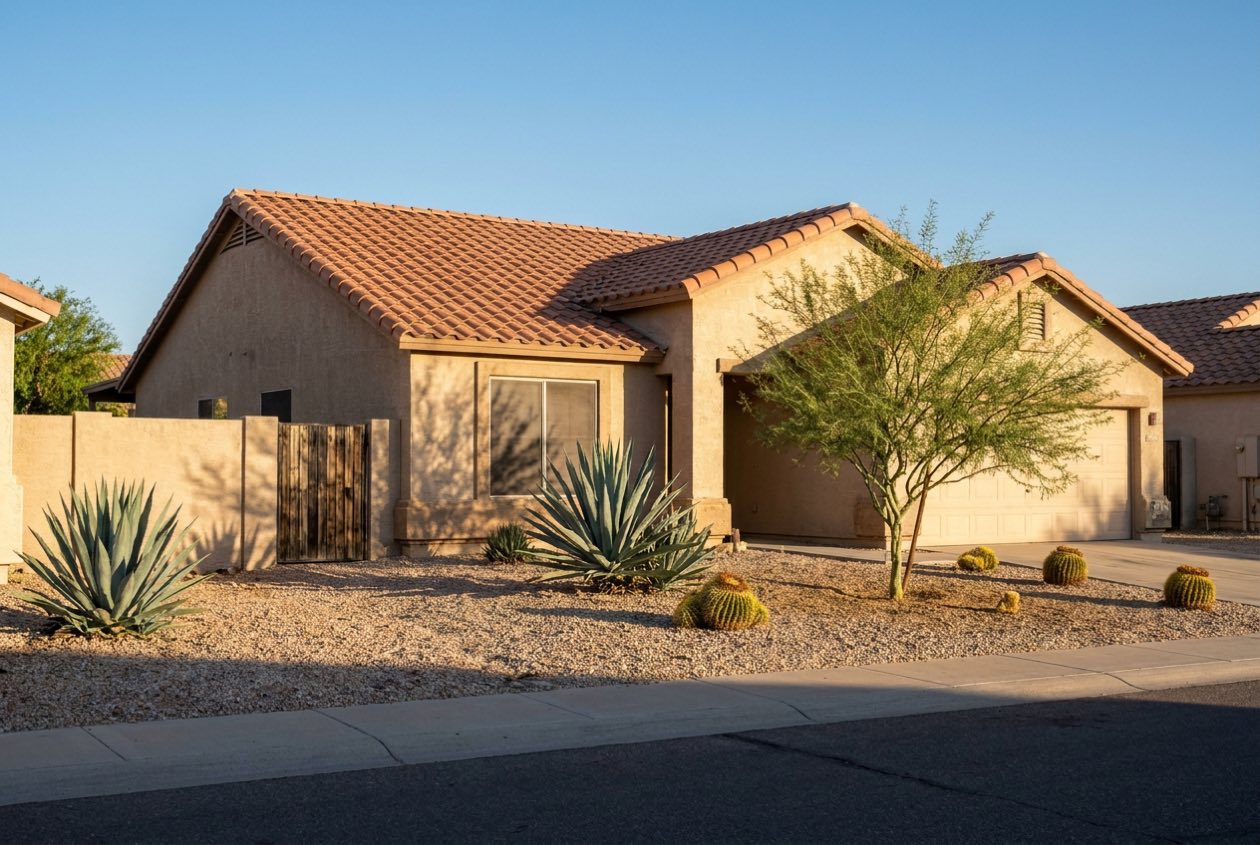
Single-story Phoenix stucco home with a clay tile roof and a gravel front yard in late-afternoon light
Call now Book detection